



Crystal Morphology and Structure of Quartz
Quartz (Quartz) is a silicon dioxide (SiO₂) stable homogeneous polymorphic variants, belonging to the three-party crystal system (Trigonal System), the crystal form to hexagonal columnar, often accompanied by conical, rhombohedral or double cone symmetry elements.
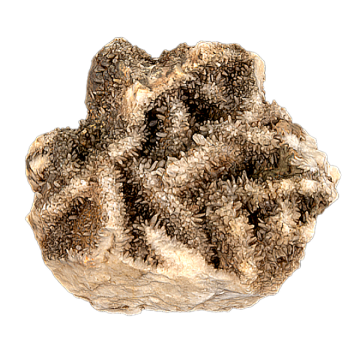
Quartz crystals of hydrothermal deposits
Quartz crystals from hydrothermal deposits are very important mineral specimens in geology. Quartz is a common mineral with the chemical composition of silicon dioxide (SiO₂), which is widely found in the earth's crust. In hydrothermal deposits, quartz crystals are usually precipitated from silicon-rich hydrothermal solutions under high temperature and high pressure conditions. These crystals can exhibit complex growth textures, such as oscillatory banded textures, mosaic textures, and concentric ring-banded textures. Quartz crystals often contain fluid inclusions, which can provide important information about the formation conditions of the deposit, such as temperature, pressure and fluid composition.

Opal stone
Opal, as a gemstone, is a hydrate of silicon dioxide with a chemical composition of SiO2 · nH2O. It has an amorphous structure and therefore does not have a specific shape. Its fracture surface is shell like, mainly formed by the colloidal precipitation of silicon dioxide. In mineralogy, it belongs to the opal class and contains two types of gemstones: variable color and invariant color. It is a hydrated amorphous silica.

Popular Models
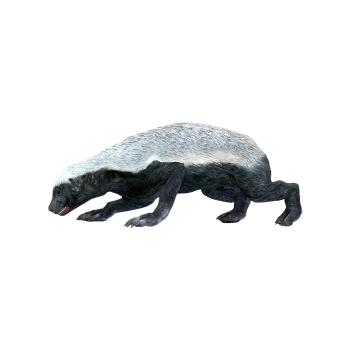
Honey Badger (3D animated model)
192 View

Guinea fowl (3D animated model)
163 View
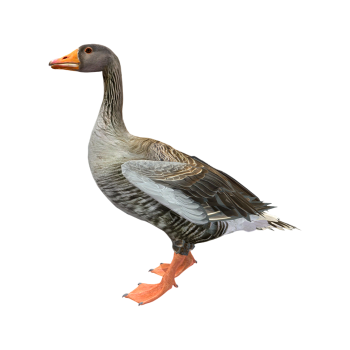
Wild Goose (3D animated model)
185 View

Red Fox (3D animated model)
153 View
Random Model

Saltwater Crocodile 3D Animation
976 View

pasteurized tongue sole specimen
612 View

Road facilities deceleration strip
949 View


Lady Bust Statue
465 View


Bonfire Cooking Rack
451 View

Tomato
994 View

Strip Bacon Sandwich
577 View